Walls Ready for Fresh Paint
Sheetrock Repair in Breaux Bridge for damaged areas where holes, cracks, or water damage have left surfaces uneven and unpaintable
Holes from removed fixtures, cracks along seams, and water-damaged sections create interruptions in wall surfaces that show through any paint applied over them. The damage appears as shadows, uneven texture, or visible depressions that catch light differently from surrounding areas. Rock and Paint restores sheetrock throughout Breaux Bridge homes, rebuilding damaged sections into smooth surfaces that match the original wall texture and disappear completely once painting is finished.
Sheetrock repair involves cutting away damaged material, securing new pieces or applying joint compound to fill voids, then feathering edges so repairs blend seamlessly with existing surfaces. Texture matching is critical—walls with orange peel, knockdown, or smooth finishes require specific application techniques to make repaired areas indistinguishable from undamaged sections once the work is complete and paint is applied.
Schedule an estimate to evaluate damaged areas and discuss repair options before your painting project begins.
What Changes After Repairs Are Finished
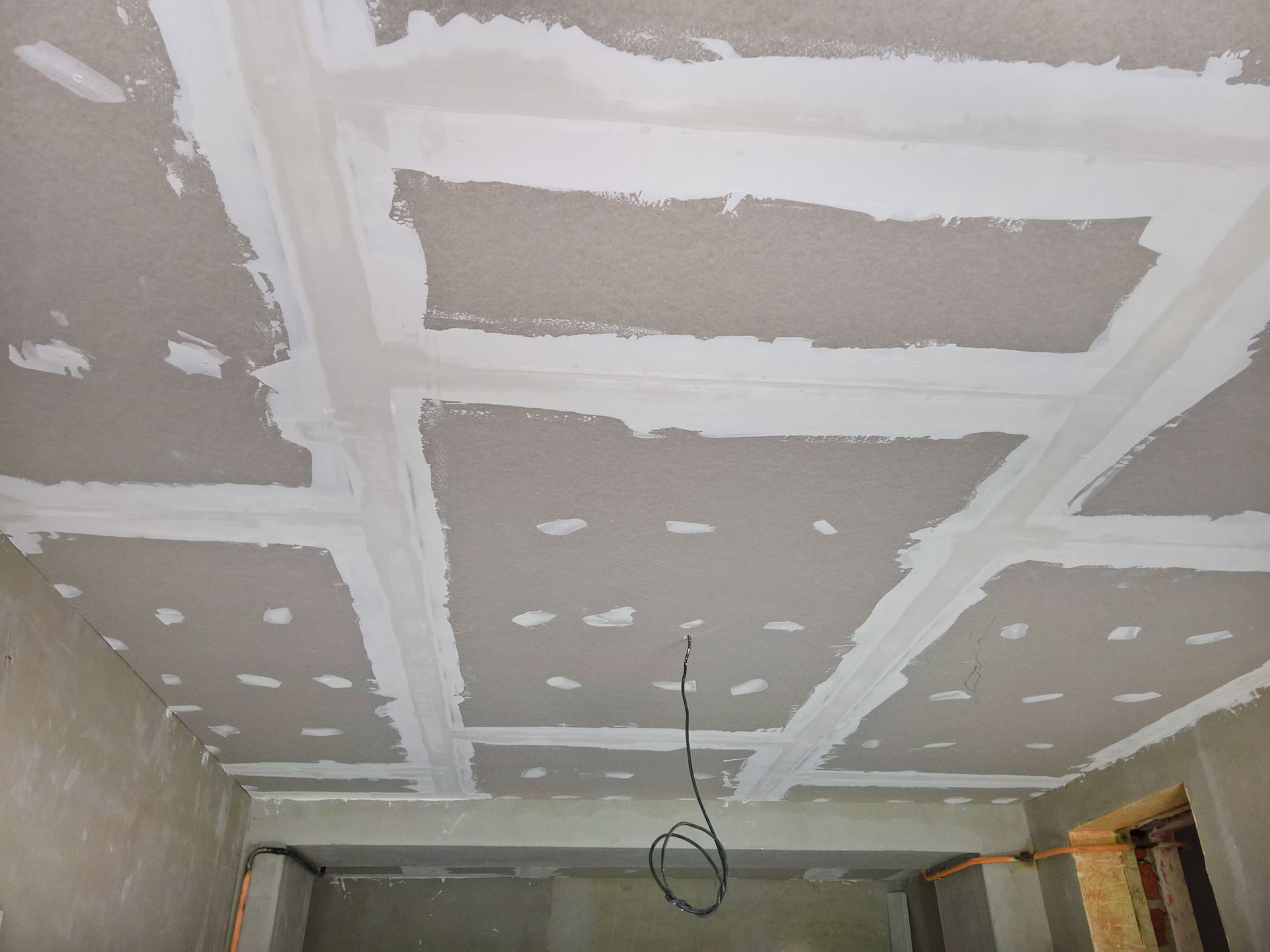
Restoring damaged sheetrock requires building up layers of joint compound, allowing each coat to dry fully, then sanding to create level transitions between repaired areas and original wall surfaces. Small holes receive compound applied directly into the void, while larger damage may require cutting back to studs and installing backing material before new sheetrock can be secured. Texture application happens after the base repair is smooth and level, using tools and techniques matched to your existing wall finish.
Once repairs are complete and primed, you cannot identify where damage existed—the wall presents a continuous, uniform surface with consistent texture from floor to ceiling. Paint covers repaired areas with the same opacity as surrounding walls, light reflects evenly across the entire surface without highlighting depressions or raised patches, and the structural integrity is fully restored where holes or cracks had weakened the sheetrock.
The repair process includes cleaning work areas thoroughly since sanding joint compound generates fine dust that settles on floors and surfaces throughout the room. Quality repairs require adequate drying time between coats of compound—rushing this step results in shrinkage and cracking that reappears after painting, so proper scheduling accounts for cure time based on humidity and temperature conditions.
Answers to Frequent Service Questions
Sheetrock repair involves layered work that must cure properly before painting, and understanding the process helps you plan projects that address all damaged areas effectively.
What types of damage can be repaired in place?
Holes up to several inches wide, hairline cracks along seams or corners, water-damaged sections that haven't compromised structural framing, and surface dents or gouges all receive repair without replacing entire wall sections—larger damage may require cutting out affected areas and installing new sheetrock pieces.
How do you match existing wall texture after repairs?
The texture type determines the technique—orange peel texture uses a spray application, knockdown texture requires troweling after spray application, and smooth walls need multiple coats of compound sanded progressively finer to eliminate any evidence of repair work.
When should repairs happen relative to painting?
All sheetrock work must be completed, textured, and primed before wall painting begins, since repairing damage after paint is applied creates color matching challenges and requires repainting entire walls to maintain uniform appearance.
What causes sheetrock damage in Breaux Bridge homes?
High humidity can weaken joint compound at seams over time, roof leaks introduce water that softens and discolors sheetrock, foundation settling creates cracks where walls meet ceilings, and everyday impacts from furniture or doorknobs leave holes and dents that accumulate over years of use.
How long before repaired areas can be painted?
Small repairs need 24 hours of drying time, while larger areas with multiple compound coats may require several days—humid conditions extend cure time, and attempting to paint over incompletely dried repairs results in visible defects as the compound continues to shrink beneath the paint layer.
Rock and Paint provides sheetrock repair that prepares walls for flawless painting results, with 30-plus years of combined experience ensuring repairs blend naturally with existing surfaces. Arrange a consultation to review damaged areas and receive a timeline for completing repairs before your painting project.